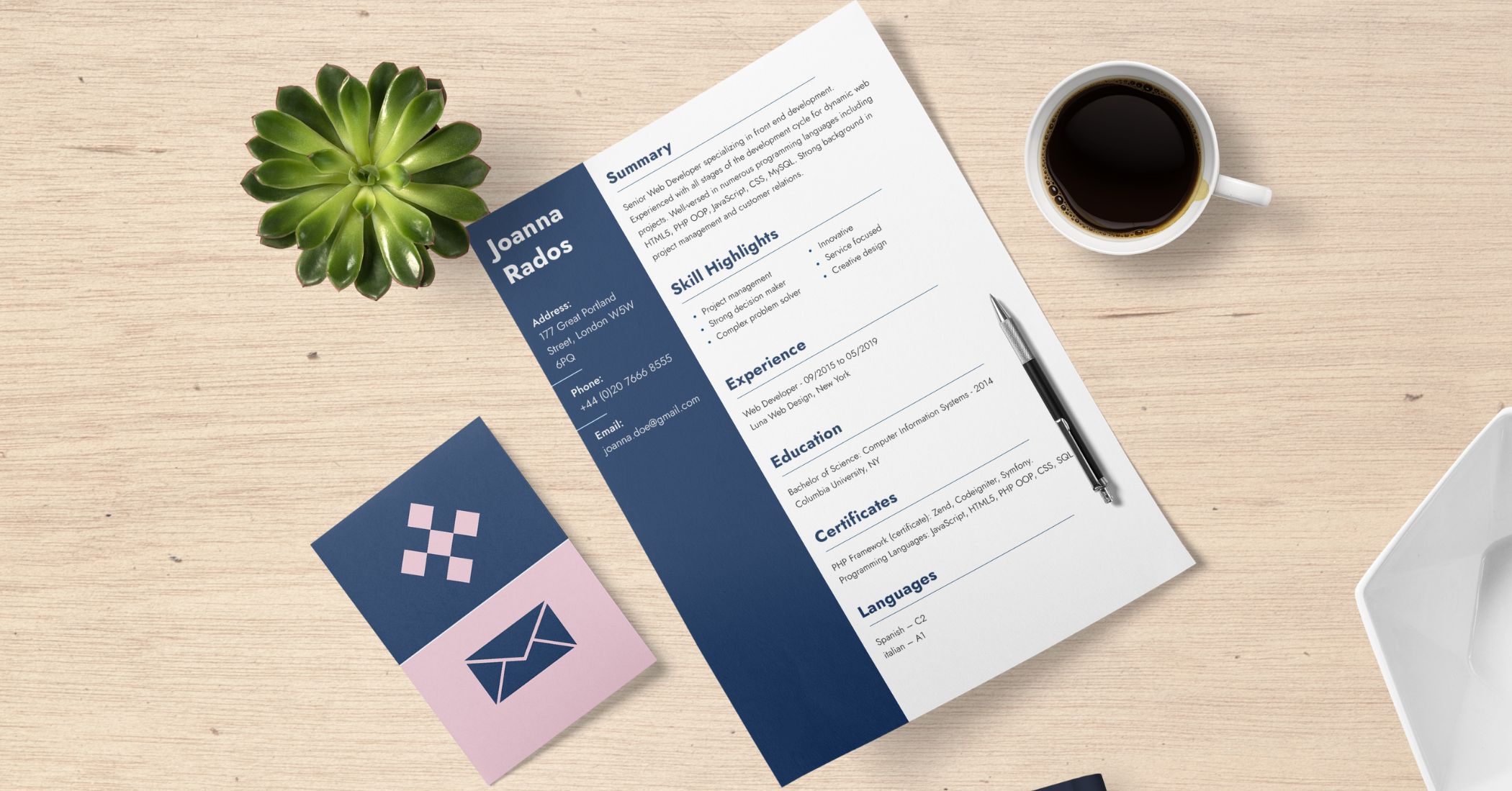
Creating a standout CV is crucial when job hunting. It’s your first opportunity to make a good impression on potential employers, highlighting your skills, experience, and why you’re the right fit for the job. In this guide, we’ll walk you through the essential steps of writing a CV that not only looks professional but effectively showcases your qualifications.
Whether you’re updating an old CV or starting from scratch, these tips will help you craft a document that opens doors to new career opportunities. Let’s get started!
Understand the purpose of your CV
Your CV is more than just a record of your job history; it’s a powerful tool designed to market yourself to potential employers. The primary purpose of your CV is to make a compelling case for why you are the best candidate for the job. It should clearly highlight your professional achievements, skills, and experience that are relevant to the position you are applying for.
Remember, your CV should grab the attention of the recruiter and convince them to invite you for an interview. Think of it as your personal advertisement, where every word counts towards securing your next job opportunity.
Choose the right format
Selecting the right format for your CV is crucial as it structures the presentation of your information. Here are the three most common formats:
Chronological
This is the most traditional format, listing your work history in reverse order, starting with your most recent job. It’s great if you have a solid work history without significant gaps.
Functional
This format focuses more on your skills and experiences rather than your chronological work history. It’s useful if you’re changing careers or have gaps in your employment.
Combination
As the name suggests, this format combines elements of both chronological and functional formats. It highlights your skills upfront, followed by your employment history in reverse chronological order.
Choose a format that best showcases your strengths and aligns with the job you are applying for. Each format serves a purpose, so select the one that fits your career trajectory and helps you stand out to employers.
Personal details and contact information
At the top of your CV, start with the basics: your personal details. This section should be straightforward and include:
Name: Your full name, clearly written.
Phone Number: A contact number where you can reliably be reached.
Email Address: A professional email address; avoid using informal or outdated email services.
LinkedIn Profile: (Optional) Include a link to your LinkedIn profile if you have one, especially if it’s well-maintained and relevant to your professional network.
Keep this section simple and professional. There’s no need to include other personal details such as age, marital status, or a photograph unless explicitly requested by the employer, as these are not standard in the UK and focus should remain on your suitability for the role based on skills and experience.
Include a personal statement
A personal statement is a brief summary at the start of your CV, under your contact details. It’s your chance to introduce yourself and explain why you are the ideal candidate for the job. Here’s what to include:
- Briefly mention your professional background.
- Highlight your key skills and how they relate to the job you’re applying for.
- Align your professional aims with the potential employer’s objectives.
Keep it concise, around three to four sentences, and tailor it to each job you apply for, reflecting the qualities and experiences that are most relevant to the position.
Work experience
In this section, list your previous jobs in reverse chronological order, starting with your most recent role. For each position, include your job title, the company’s name, the dates of your employment, and a brief list of your main responsibilities and achievements.
Focus on what you accomplished in each role, using active verbs like “managed,” “developed,” or “increased.” Tailor this section to highlight experiences that are most relevant to the job you’re applying for, showing how your past experiences make you a suitable candidate.
Education and qualifications
List your educational background, also in reverse chronological order. Start with your most recent qualifications, providing the name of the institution, the dates attended, and the degree or qualification you received.
If you have higher education qualifications, you don’t need to include every detail from your secondary education, just the highest level achieved, such as A-levels or GCSEs. Also, include any relevant professional certifications or courses that might give you an edge in your job application.
Your skills
This section should be a concise list of skills that are relevant to the job you’re applying for. Include both hard skills (like software proficiency or languages spoken) and soft skills (like communication or leadership abilities).
Be specific and honest about your skill levels. You can also mention how you’ve applied these skills in a professional setting to provide context. This helps employers quickly see whether you have the skills they are looking for.
Conclusion
Crafting a well-structured CV is your first step towards securing a job interview. Remember, your CV is your personal marketing tool, designed to showcase your skills, experience, and potential to prospective employers.
Take your time to tailor it for each application, highlighting the aspects of your background that are most relevant to the position.
Keep it clear, concise, and professional, ensuring that key information is easy to find. With these tips in hand, you’re ready to create a CV that stands out and makes a strong impression. Good luck with your job search!